- Home
- Crowd OAuth SSO
- OAuth SSO into Crowd using GitHub as OAuth Provider

OAuth/OpenID Single Sign On (SSO) into Crowd using GitHub
Crowd OAuth/OpenID app gives the ability to enable OAuth/OpenID Single Sign On for Crowd. Crowd is compatible with all OAuth/OpenID Providers. Here we will go through a guide to configure SSO between Crowd and GitHub as OAuth Provider. By the end of this guide, users from your OAuth/OpenID Provider should be able to login and register to Crowd.
 Try it for free
Pre-requisites
- Crowd should be installed and configured.
- Admin credentials are set up in Crowd.
- Crowd Server is HTTPS enabled (optional).
- Valid Crowd Server or Datacenter Licence.
To configure your Identity Provider integration with Crowd OAuth/OIDC SSO, you need the following items:
Download And Installation
- Log into your Crowd instance as an admin.
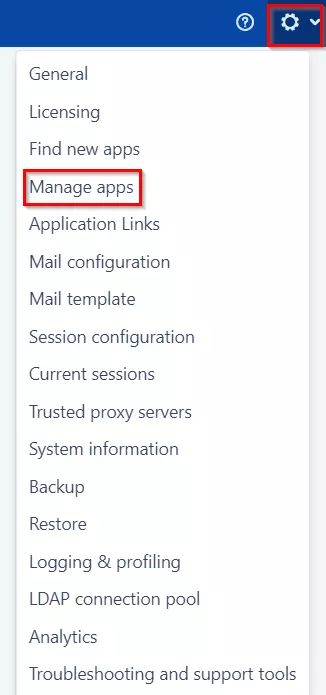
- Navigate to the Administration menu and Click Manage Apps.
- Click Find new apps or Find new add-ons from the left-hand side of the page.
- Locate OAuth/OIDC SSO via search and click on install.
- Create an account with miniOrange.
- Login to miniOrange Admin console.
- Navigate to License > Manage License > Release and Download .
- Download the jar file from the Download link.
- Now, click on the View License button to get the license key.
- Log in to the Crowd Admin console.
- Navigate to Administration > Manage Apps.
- Click on the Upload App and upload the jar file.
- Now, click on the Configure button. You will be asked to verify the miniOrange credential and license key.
- Navigate to Crowd Admin Console → Manage Apps.
- Click on the Configure button of the miniOrange Crowd OAuth/OIDC SSO plugin.
- Log in with your miniOrange account. Once authenticated, you will be prompted to enter the license key.
- Enter the license key and click on the verify button.
Step 1: Set Up GitHub as OAuth Provider
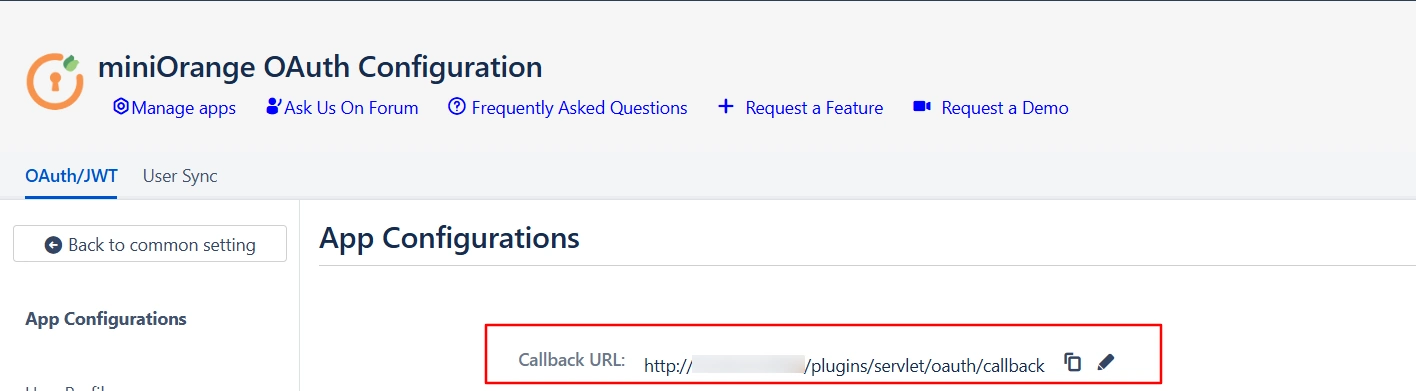
- Navigate to the plugin configuration page, click the "Add New Provider" button (located either in the middle or top-right corner), select GitHub as the application, and copy the callback URL from the plugin and keep it handy, as you'll need it to configure GitHub as the OAuth provider.
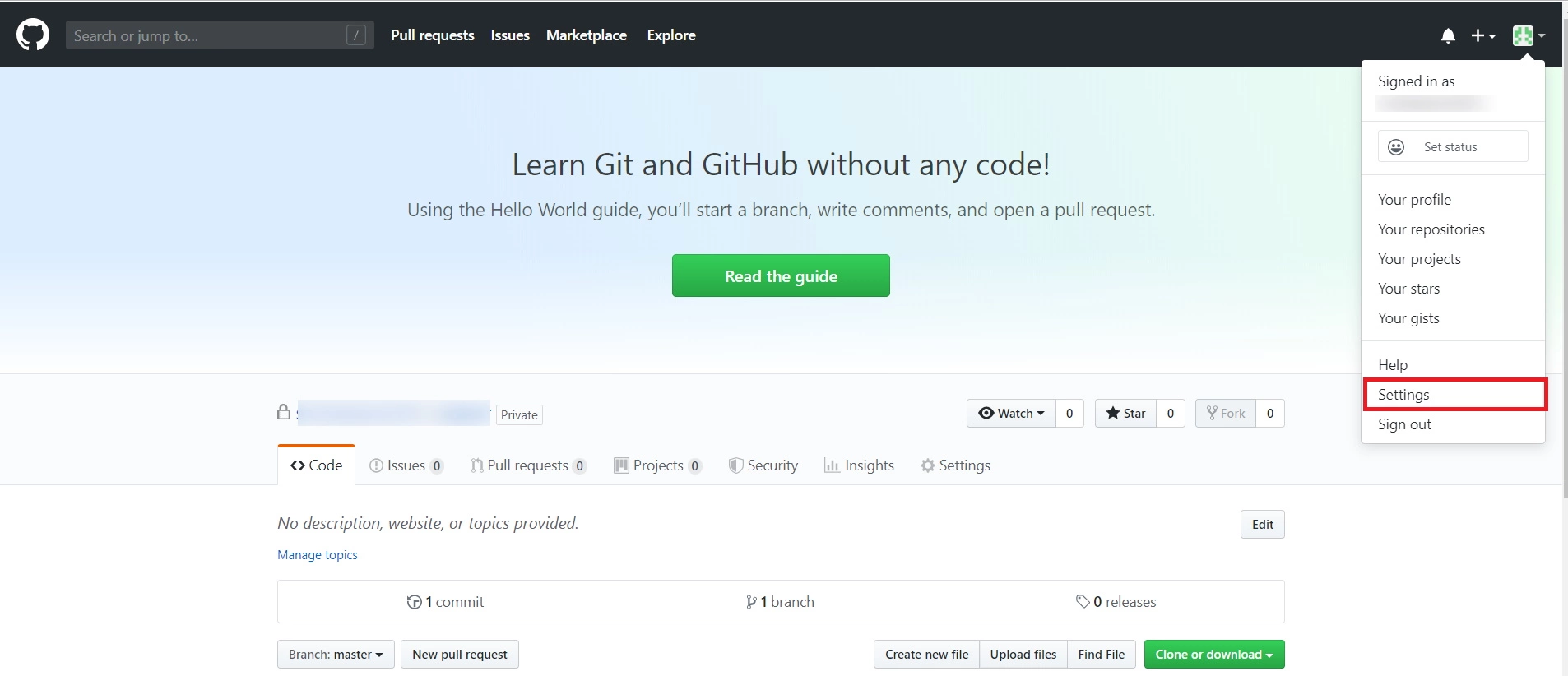
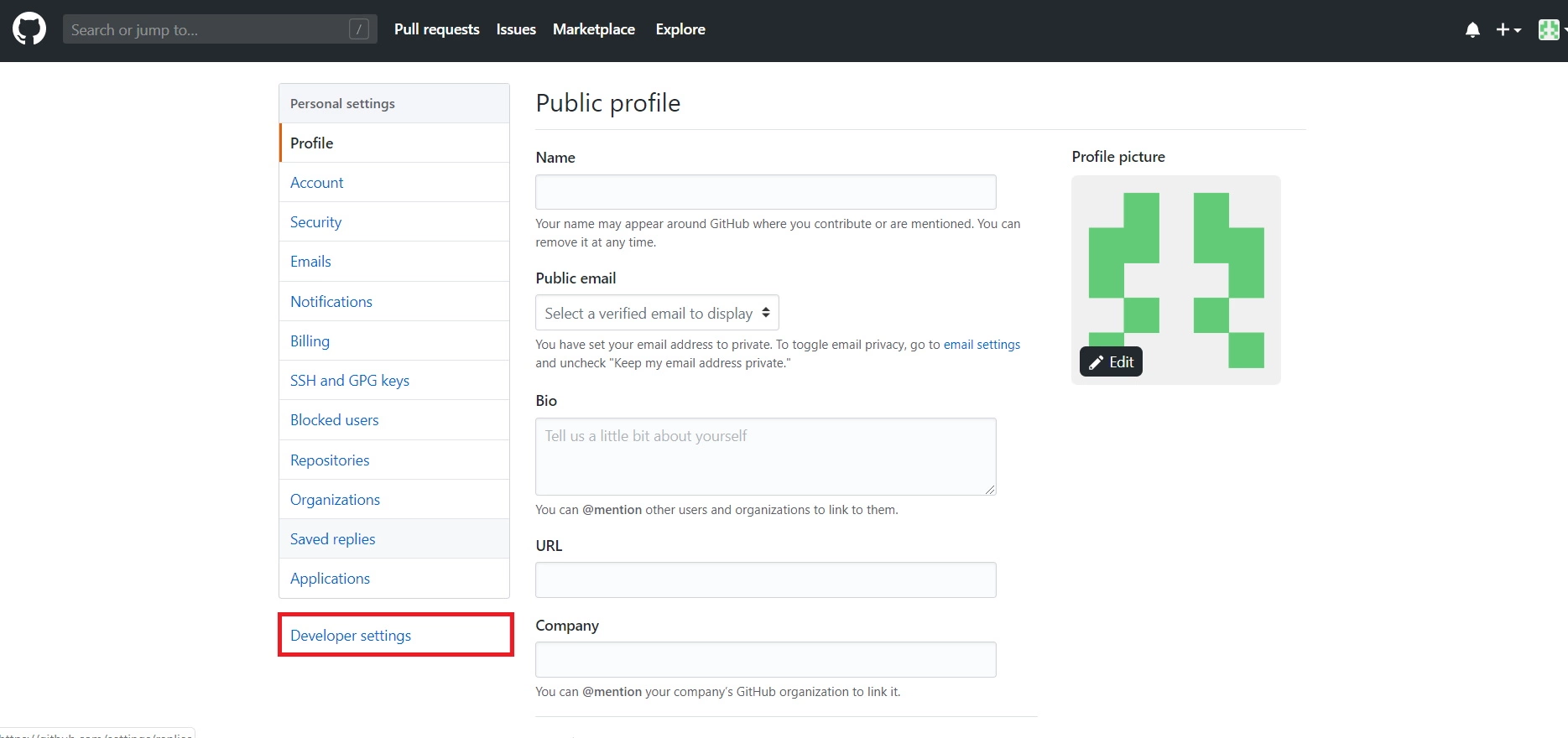
- Login to GitHub : Go to Github Developer and login with your account. Click on settings.
- Select Developer Settings.
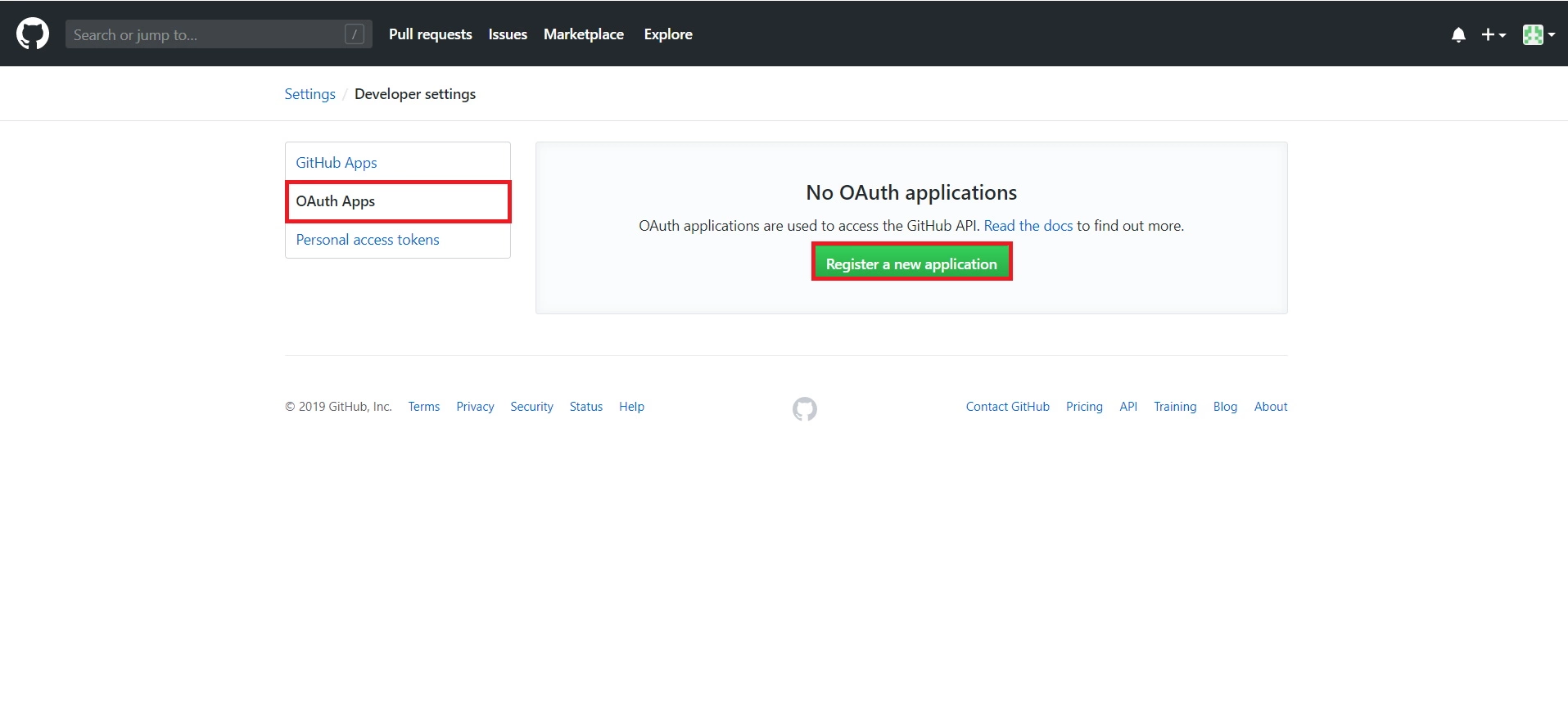
- Create App : Select OAuth Apps and click on Register a new application button.
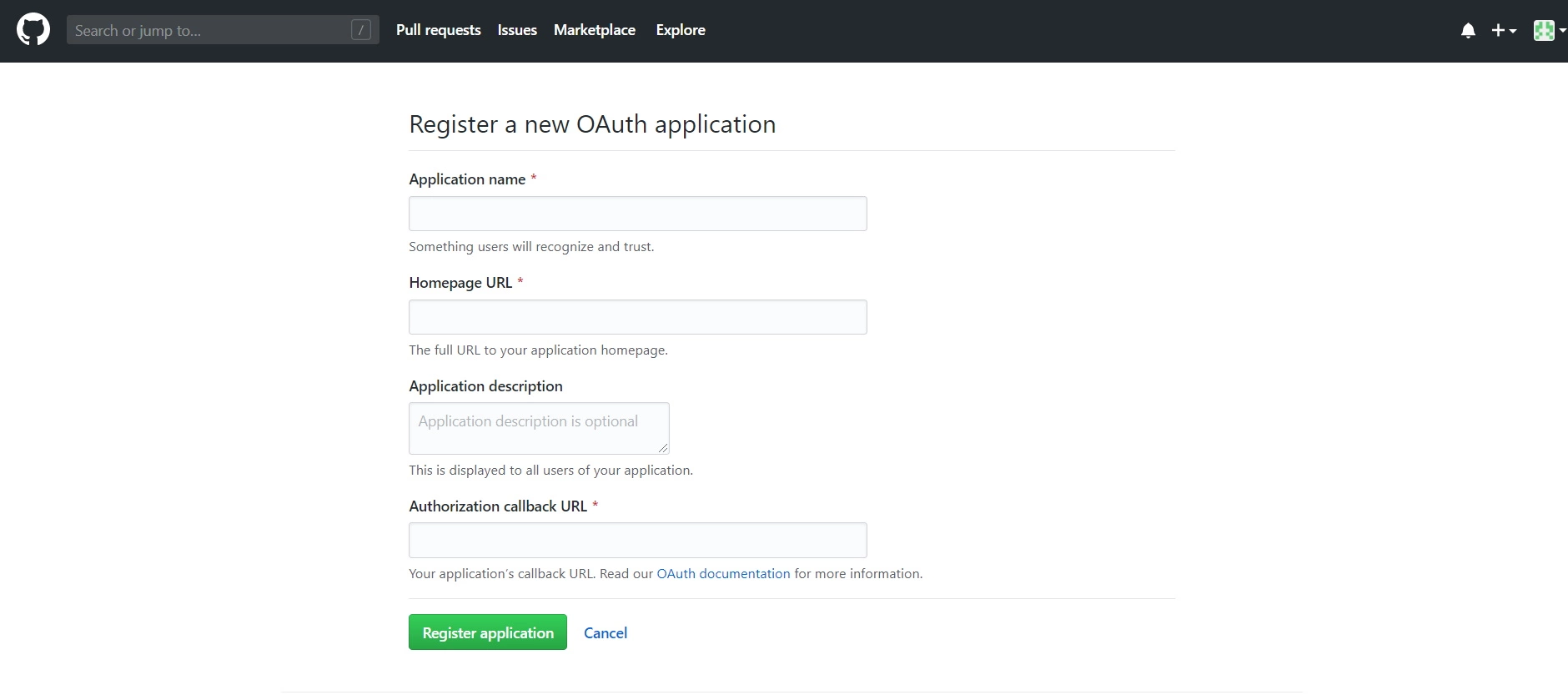
- Enter app credentials : Enter app name, plugin homepage URL. Copy callback URL from the plugin and paste it under Authorized callback URL field.
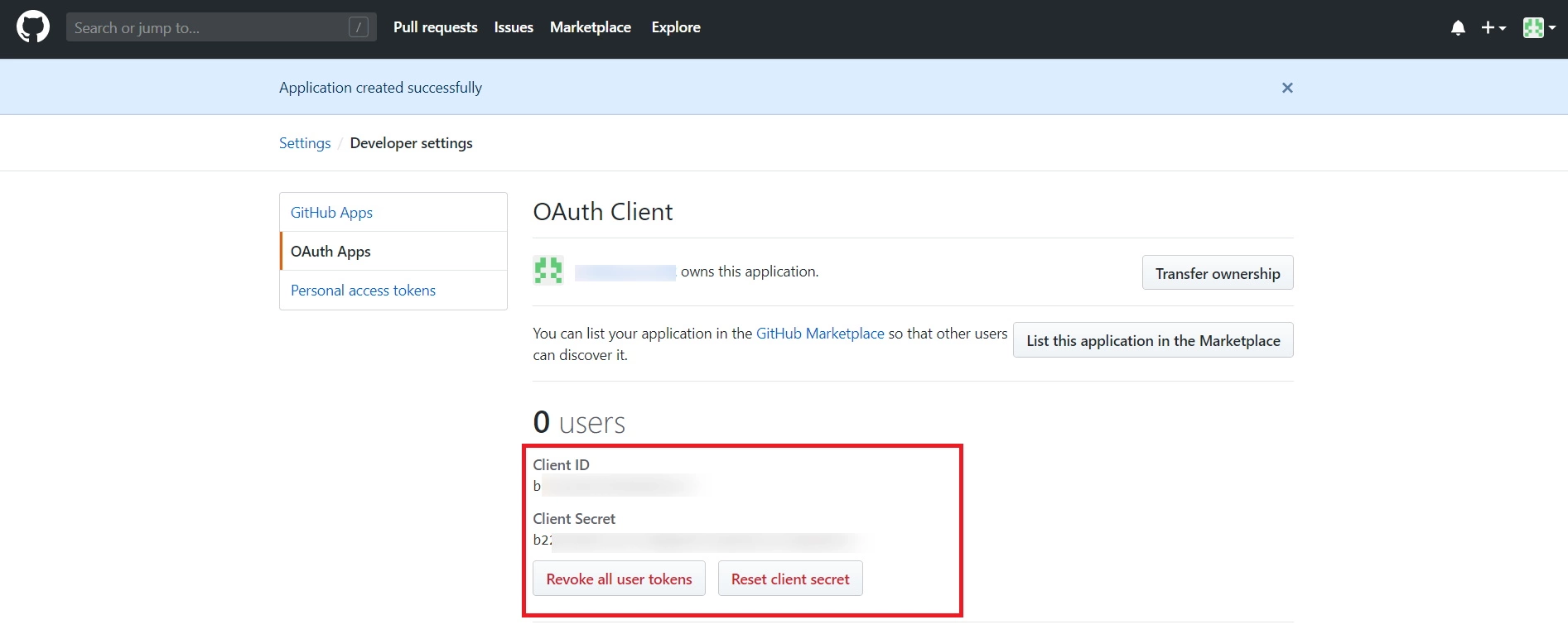
- Copy Client ID and Client Secret.
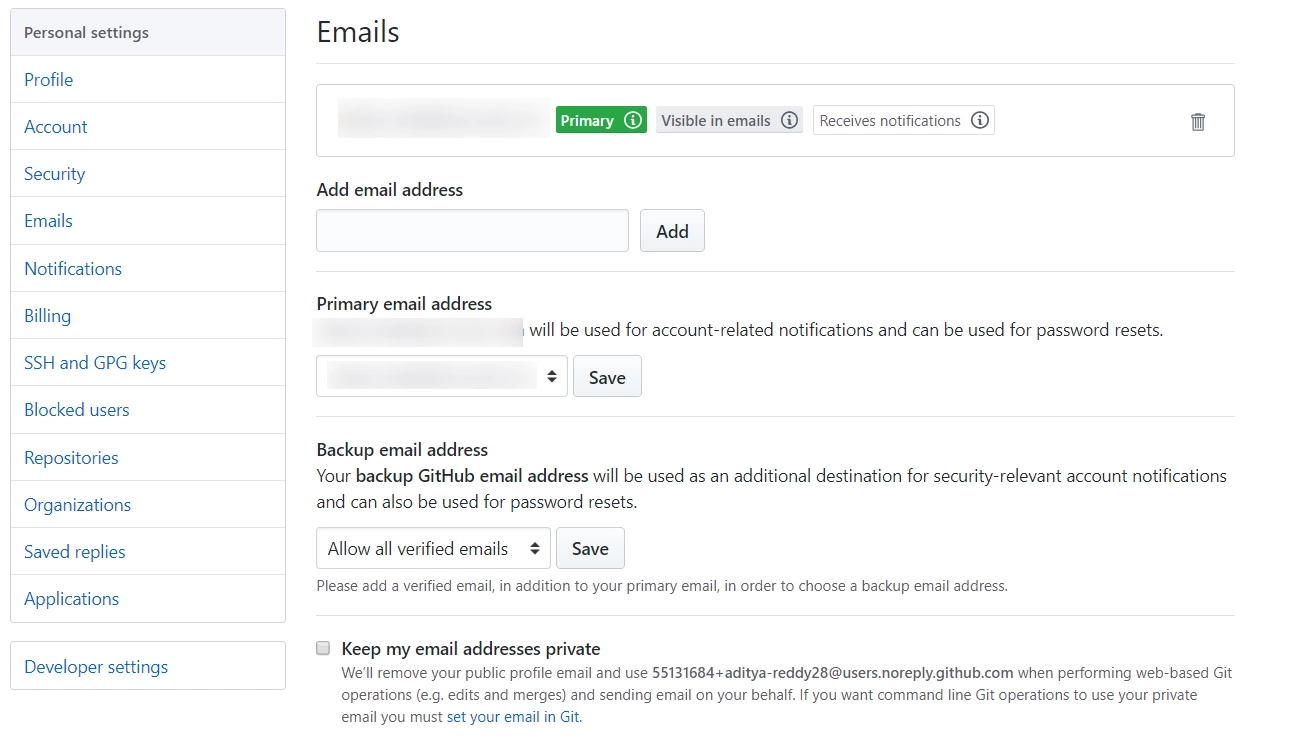
- This step is optional. Follow this step if the email is returned as null while further configuring the plugin. Go to profile and set public email.
- If Public Email field is disabled, go to Emails and uncheck the option Keep my email addresses private.
Step 2: Setup Crowd as OAuth Client
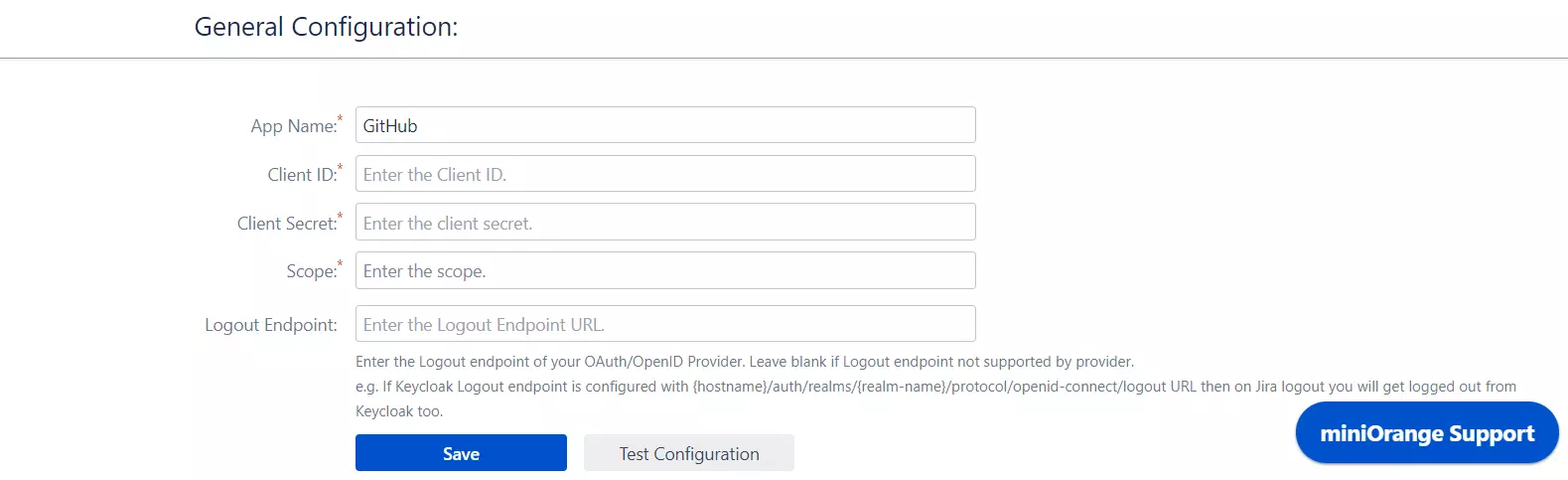
- Click on Add new Provider and select GitHub from the list.
- Enter copied Client ID, Client Secret in the plugin.
- Configure the scope as “user”.
- Click on Test Configuration.
- Check email attribute in Test Configuration Window. If the email is returning null then follow these steps.
Step 3: Multiple IDPs
If your use case requires multiple IDPs to be configured on your SP, the plugin supports that as well. You can choose how end users use these IDPs to perform SSO.
 3.1 Configuring Multiple IDPs
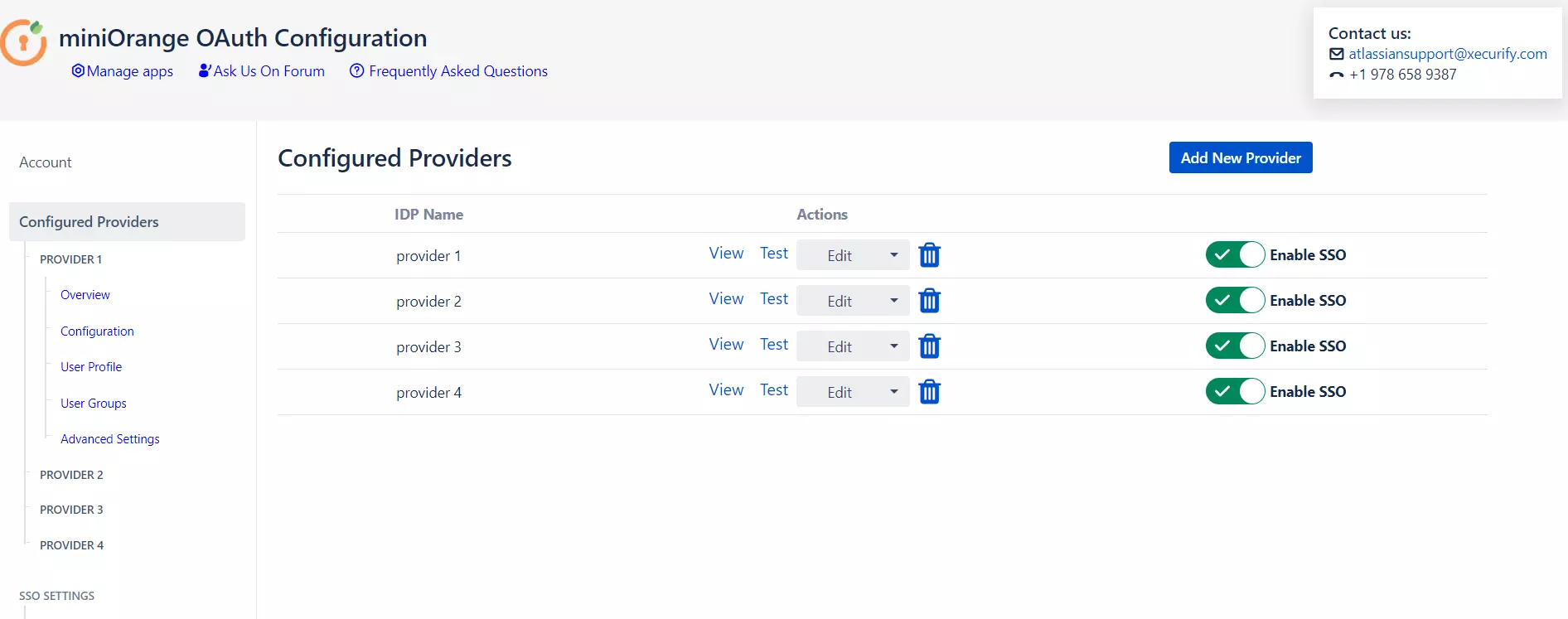
- If your use case requires multiple IDPs to be configured on your SP, the plugin supports that as well. You can add another IDP by going to the Configured Providers section and using the Add New Provider button.
3.2 Managing SSO with multiple IDPs
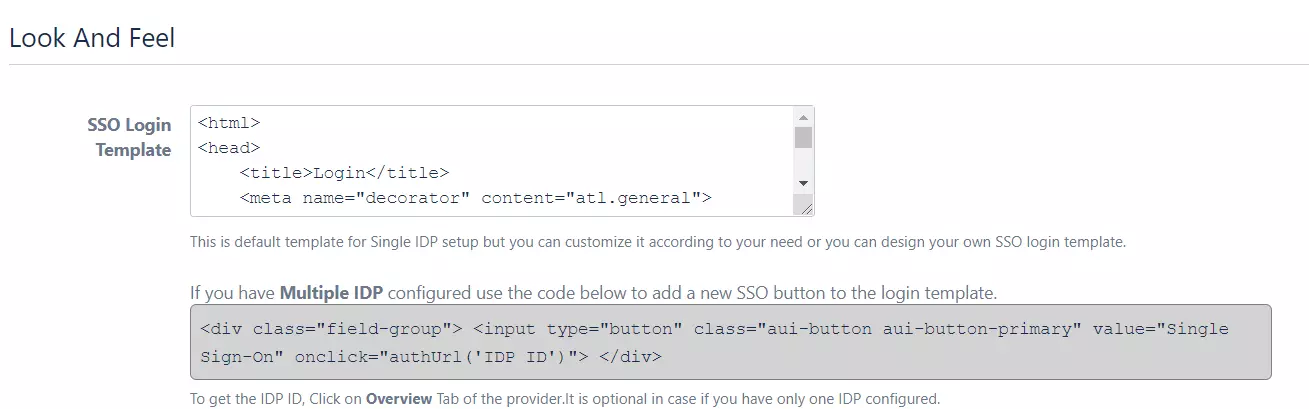
- If you have multiple IDPs configured, you will have to modify the custom login template by adding a new SSO button.
- Go to the Look and Feel tab and paste the code given to add an SSO button.
Step 4: User Profile
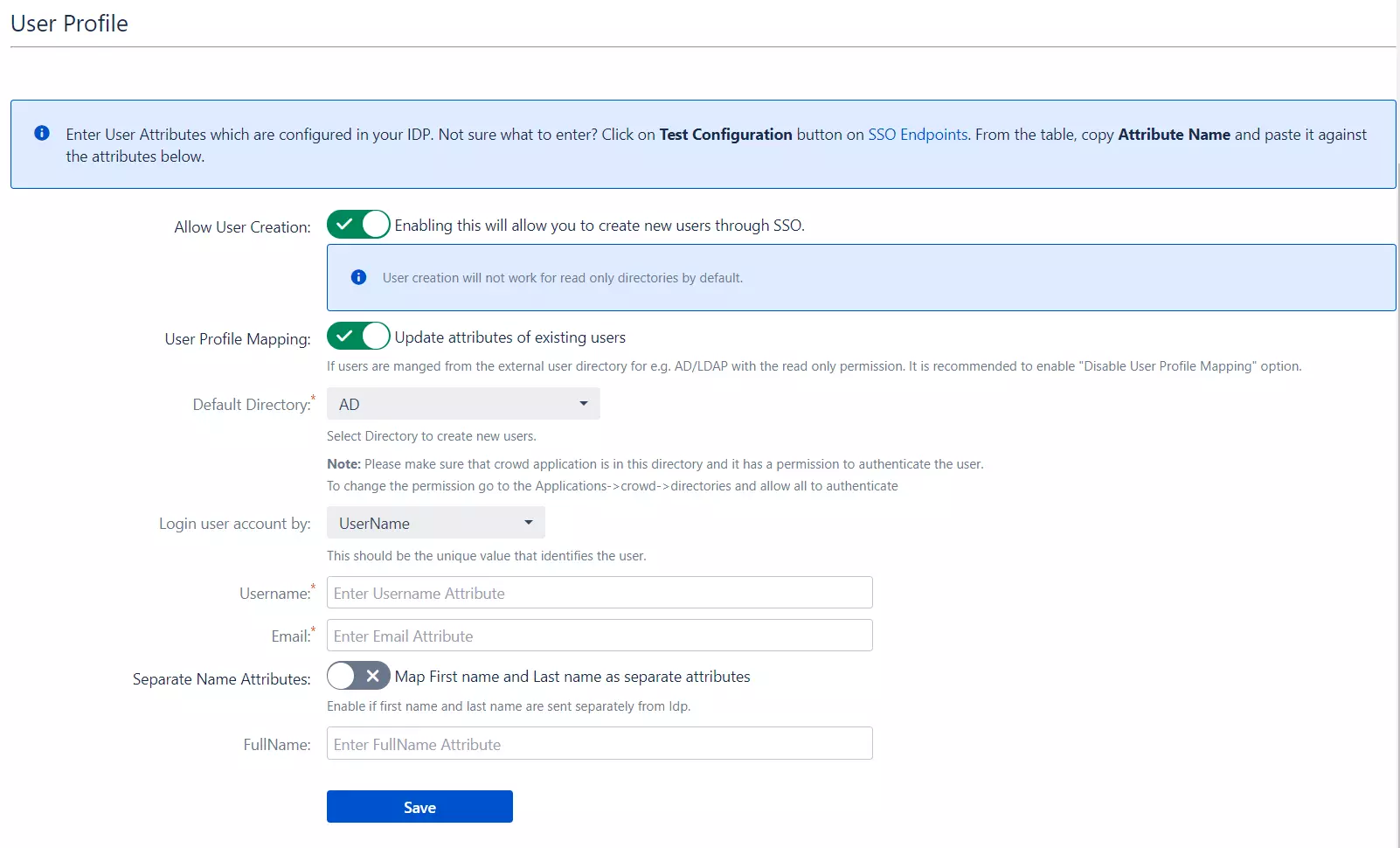
We will be setting up user profile attributes for Crowd. If your users are stored in a Read-Only directory, please check Disable Attribute Mapping in the User Profile tab and follow the steps given in Matching a User.
a. Finding correct attributes
- Go to Configure OAuth tab. Scroll down and click on Test Configuration.
- You will see all the values returned by your OAuth/OpenID Provider to Crowd in a table. If you don't see a value for First Name, Last Name, Email, or Username, make the required settings in your OAuth/OpenID Provider to return this information.
- Once you see all the values in Test Configuration, keep the window open and go to the User Profile tab.
b. Setting profile attributes
- In this tab, fill the values by matching the name of the attribute. For instance, if the Attribute Name in the Test Configuration window is NameID, enter NameID against Username.
- Setting up both Username and Email is required if you want to let users register. If you want existing users to the only login, configure the attribute using which you will match the user in Crowd.
c. Matching a User
When the user logs into Crowd, one of the user's data/attributes coming in from the OAuth/OpenID Provider is used to search the user in Crowd. This is used to detect the user in Crowd and log in the user to the same account.
- Go to the User Profile tab.
- Select Username or Email for Login/Search Crowd user account by.
- Enter the attribute name from OAuth/OpenID Provider which corresponds to Username or Email using Finding Correct Attributes
Step 5: User Groups
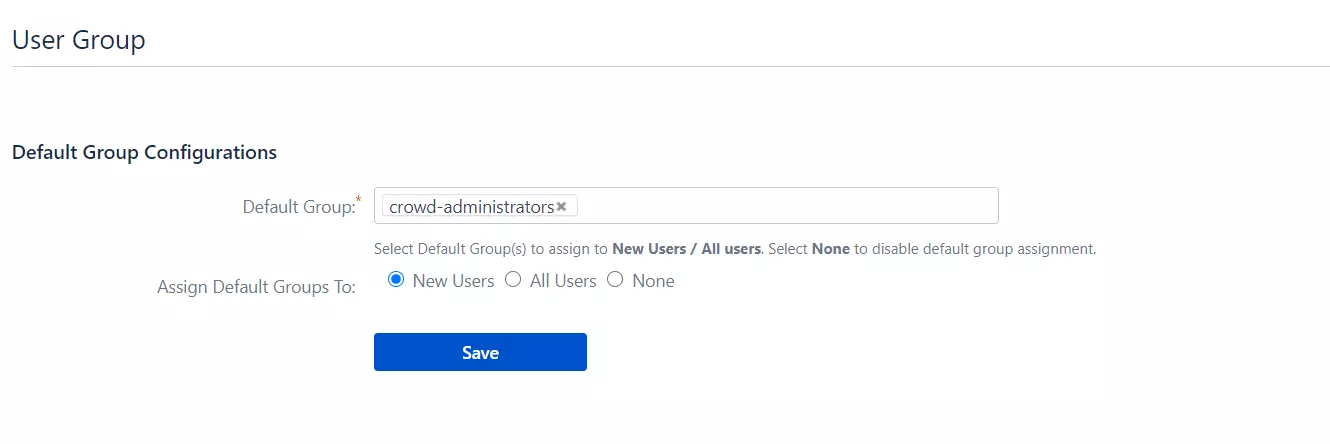
We will be setting up user group attributes for Crowd. If your users are stored in a Read-Only directory, please select assign default groups to "None".
Setting default group
- Select the users' Default Group in the tab User Groups. If no group is mapped, users are added by default to this group.
- You can enable default groups for All Users or New Users using the option. Select None if you don't want to assign any default group to SSO users. Using the option Enable Default Groups for.
Step 6: Sign In Settings
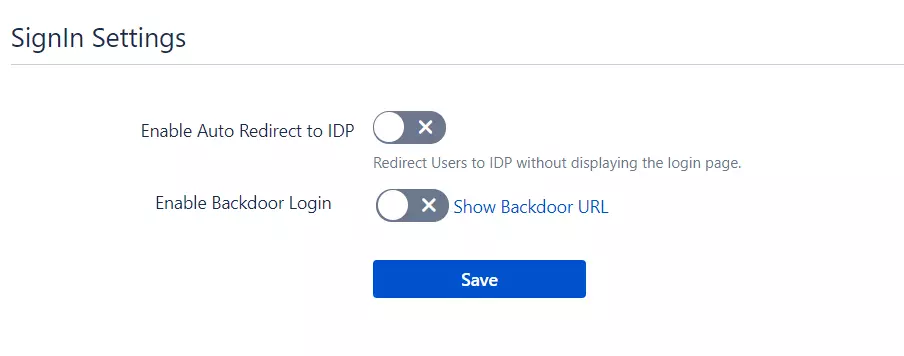
- The settings in the SSO Settings tab define the user experience for Single Sign-On.
- Enable Auto-redirect to OAuth/OpenId Provider if you want to allow users to log in only using OAuth/OpenId Provider. Enable backdoor for an emergency.
Step 7: Advance SSO options
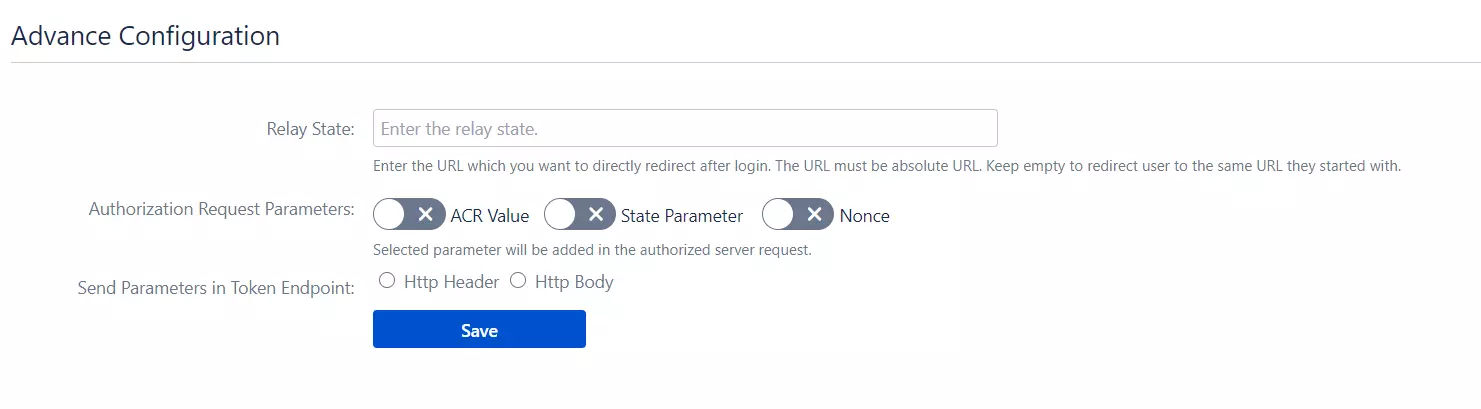
- Set the Relay State to the URL to which the users would be redirected after login. Keep this empty to redirect users to the same page they started with.
- Click on ACR Value Check checkbox if you want to add ACR Value parameter to the authorised server request. This setting is optional. The ACR value specifies the authentication method used by the Authorization Server and is used to enable the multi-factor authentication.
- Click on Nonce checkbox if you want to add the nonce parameter to authorised server request. The nonce parameter is used to validate the tokens received from the provider. Its purpose is to mitigate the replay attack.
- Select the Check State Parameter if required by your OAuth Provider. Using state parameter, a client application can validate that the response received from the provider is not altered in between.
Additional Resources for SSO Implementation
Did this page help you?